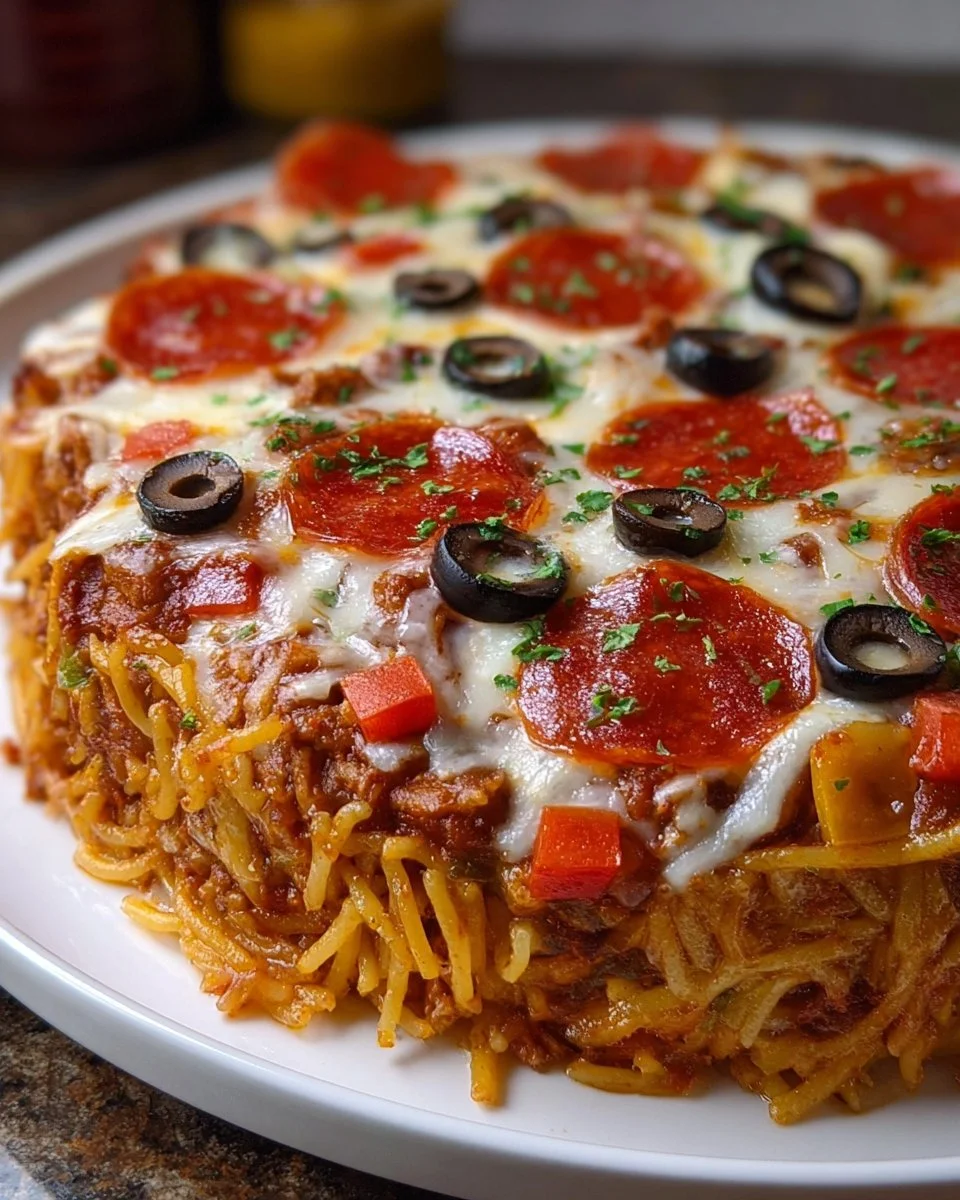

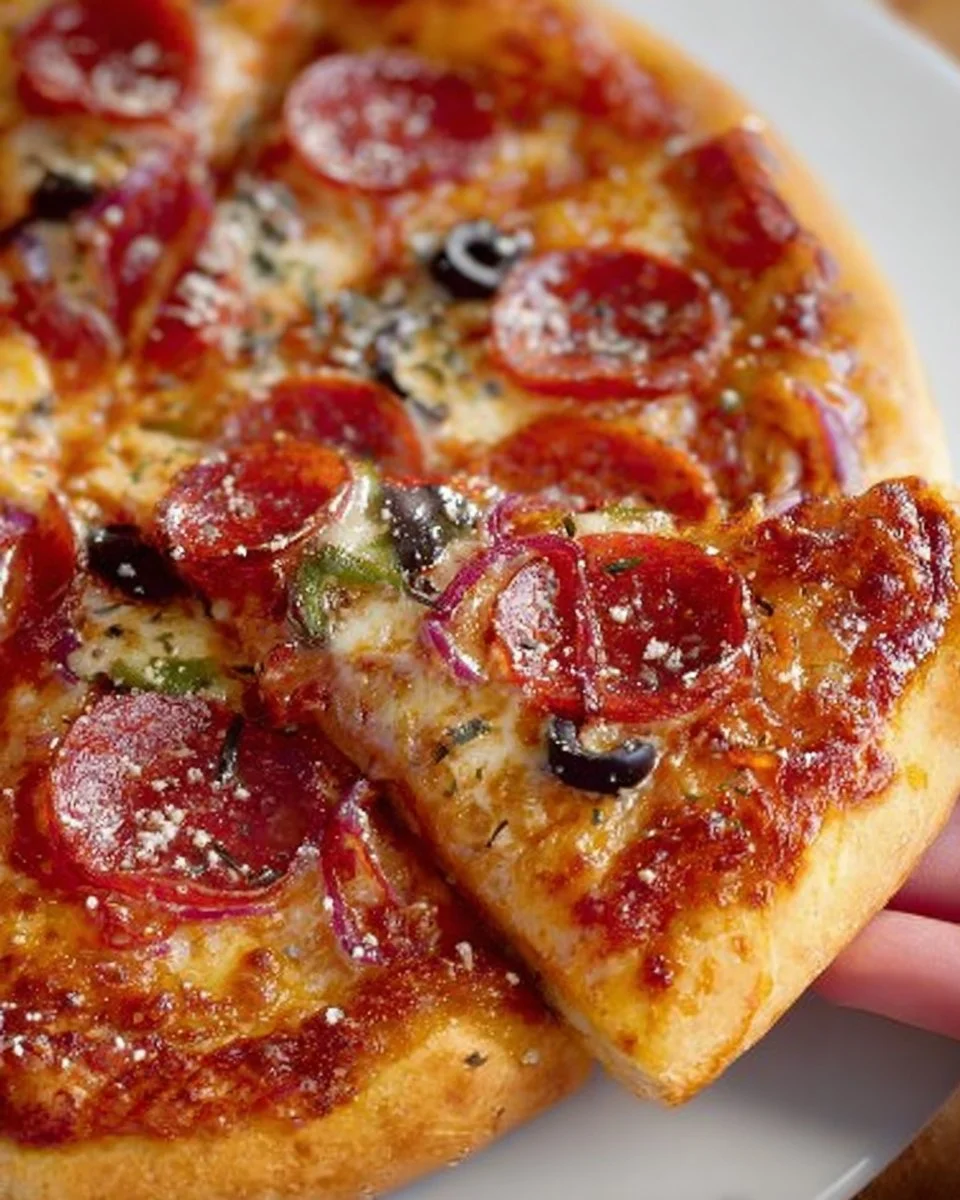
Imagine a Saturday evening, the golden hour spilling warmth into your kitchen, as the rich, fragrant aroma of homemade pizza wafts through the air, wrapping around you like a cozy blanket. You stand in your kitchen, a symphony of tantalizing scents swirling together—anise from fresh basil, the deep tang of pizza sauce bubbling gently, and the nutty, warming kiss of olive oil. As the pizza bakes to perfection, anticipation dances on your taste buds. You know that once it emerges from the oven, it will be a masterpiece of crisp, golden crust, blanket of gooey cheese, and vibrant toppings that reflect a myriad of flavors, colors, and textures. This isn’t just dinner; this is a moment of joy, a celebration of the simple, yet profound pleasure of sharing food with loved ones.
Creating your own homemade pizza is like painting on a canvas—you orchestrate the flavors and textures to craft something uniquely yours. The dough, kneaded to silky perfection, offers a satisfying chew that holds the weight of whatever toppings you choose. Each slice promises a delightful crunch that gives way to a warm, cheesy heart, punctuated by bursts of tart sauce and fresh herbs. As you sink your teeth into a slice, you experience that quintessential contrast of crispy edges and soft, fluffy center, igniting an explosion of flavor that is both comforting and exhilarating.
Why You’ll Love This Homemade Pizza
Homemade pizza is not just a meal; it’s an experience. It invites creativity and customization, letting you craft a dish that suits your palate perfectly. Picture a pizza night with loved ones gathered around, laughter and excitement filling the air as everyone builds their ideal slice—whether it’s a classic margherita, loaded with pepperoni, or a vibrant, colorful medley of seasonal vegetables. The best part? You control the ingredients, ensuring that every bite bursts with flavor and freshness.
Creating this dish at home allows you to explore an artisanal level of quality often lost in takeout. The benefits extend beyond the taste; you save money while crafting a meal that warms hearts and fills bellies. Homemade pizza brings magic to any occasion—an easy weeknight dinner, a festive gathering, or a cozy date night. Its versatility and robust flavors make it a standout choice for food lovers of all kinds.
Preparation Phase & Tools to Use
To embark on your pizza adventure, you’ll need a few essential tools that streamline the process and elevate your final product. Invest in a sturdy mixing bowl to bring together your ingredients, while a rolling pin can help you stretch your dough to the desired thickness. A pizza stone or a heavy baking sheet ensures even cooking, creating that perfect crust.
Here’s a practical tip: a pizza peel, if you’re feeling fancy, helps you slide your masterpiece in and out of the oven with ease. A good quality cheese grater saves time and enhances the melting qualities of your cheese, ensuring it’s wonderfully stretchy. Finally, gather the ingredients as fresh as possible—this is the secret to that mouthwatering taste.
Ingredients for Homemade Pizza
Gather the following ingredients:
- 2 cups all-purpose flour: The backbone of your dough, providing structure and chew. Feel free to substitute with whole wheat flour for a nuttier flavor.
- 1 packet (2 1/4 tsp) active dry yeast: This ingredient breathes life into your dough, creating the delightful rise and airy texture.
- 1 teaspoon sugar: A touch of sweetness activates the yeast faster, enriching that delightful crust.
- ¾ teaspoon salt: Balances flavors and contributes to that irresistible crust.
- ¾ cup warm water: The warm water activates the yeast, making it frothy and alive.
- 1 tablespoon olive oil: Adds flavor and makes the dough tender.
- Pizza sauce: Store-bought or homemade, this tangy base is crucial for flavor.
- Cheese: Mozzarella is classic, but feel free to experiment with provolone, cheddar, or even a vegan cheese alternative.
- Various toppings: Go wild with pepperoni, bell peppers, mushrooms, or whatever your heart desires.
How to Make Homemade Pizza
-
In a large mixing bowl, combine the warm water with the yeast and sugar. Let it sit for about 5 to 10 minutes until it becomes frothy—this means the yeast is alive and ready.
-
While you wait, mix the flour and salt in a separate bowl. When frothy, make a well in the center, adding the yeast mixture and olive oil. Stir gently until a shaggy dough forms.
-
Transfer the dough to a lightly floured surface, kneading for about 5 to 7 minutes. You want it smooth and elastic, a tactile joy that feels alive under your hands.
-
Place the dough in a lightly oiled bowl, covering it with a clean towel or plastic wrap. Let it rise in a warm area for about one hour or until it doubles in size.
-
Preheat your oven to 475°F (245°C), letting it get hot enough for a perfect crust.
-
Once the dough has risen, punch it down gently to release air. Roll it out to your desired thickness—thinner for a crispier crust or thicker for a chewy experience—and place it on a pizza stone or a greased baking sheet.
-
Spread a generous layer of sauce evenly over the dough, leaving a little room at the edges for a crust. Sprinkle on a blanket of cheese, letting it melt and bubble as it cooks.
-
Add your favorite toppings—this is where the magic happens! Get creative and pile it high.
-
Bake for 12 to 15 minutes, keeping an eye on it until the cheese is melted and the crust turns a beautiful golden brown.
-
Slice your masterpiece once it cools for a minute, and savor every bite as you indulge in your creation!
Chef’s Notes & Helpful Tips
- Make-ahead tips: Prepare your dough a day in advance and refrigerate it after the first rise. It’ll develop more flavor!
- Cooking alternatives: You can use an air fryer or a toaster oven for smaller pizzas; just lower the temperature slightly and check earlier to avoid burning.
- Customization ideas: Try using different sauces like pesto or barbecue. Experiment with herbs and spices in the dough for an added flavor kick.
Common Mistakes to Avoid
-
Not measuring ingredients accurately: Always use measuring cups for dry ingredients and liquids. Too much flour can make your dough dense and crumbly.
-
Ignoring the rise time: Be patient! Rushing the dough’s rise will yield a denser crust that’s less enjoyable.
-
Overloading with toppings: While it can be tempting to pile on many toppings, too much can make your pizza soggy. Balance is key.
What to Serve With Homemade Pizza
Enhance your meal with delightful pairings that complement your pizza creation. Consider these options:
- Garlic Bread: Crunchy and buttery, perfect for dipping in pizza sauce.
- Fresh Salad: A crisp Caesar or vibrant Caprese salad provides a refreshing contrast to the richness of pizza.
- Wine: Pairing a glass of Chianti or a light Pinot Grigio elevates the flavors.
- Craft Beer: Choose a hoppy IPA or a malty stout for a delightful flavor match.
- Stuffed Mushrooms: These bite-sized appetizer treats offer an earthy flavor that pairs beautifully.
- Bruschetta: Toasted bread topped with fresh tomatoes and basil adds a refreshing start to your pizza night.
Storage & Reheating Instructions
Storing your pizza properly ensures you can enjoy those delectable slices the next day—or even the day after! Keep any leftover pizza in an airtight container in the fridge for 3 to 4 days. If you’re saving it for longer, slice it, wrap it in plastic wrap, and place it in the freezer, where it’ll stay good for up to two months.
To reheat, pop it in the oven at 350°F (175°C) for about 10 minutes or until heated through. For a quicker method, use a microwave, but placing it on a microwave-safe plate with a cup of water helps keep that crust somewhat crispy.
Estimated Nutrition Information
Approximate values per slice (based on 8 slices):
- Calories: 250
- Protein: 10g
- Fat: 10g
- Carbohydrates: 30g
- Fiber: 2g
This information is an estimate and varies based on the specific ingredients used and portion sizes.
FAQs
Can I use store-bought dough instead of making my own?
Absolutely! Store-bought dough can save time and still deliver delicious results. Follow package instructions for optimal results.
What can I do if my pizza dough doesn’t rise?
If your dough fails to rise, your yeast may have expired, or your water might have been too hot or cold. Always check your ingredients for freshness and ensure your water temperature is warm but not scalding.
Can I freeze the dough before it rises?
Yes! You can freeze your dough after kneading. Just wrap it tightly in plastic wrap and place it in a freezer bag. When you’re ready to use it, let it thaw and rise before shaping.
How do I make a gluten-free pizza crust?
Gluten-free flour blends are readily available. You can further enhance flavors with almond flour and other gluten-free options, but follow specific flour guidelines to ensure the best texture.
Can I prepare the pizza sauce in advance?
Yes! You can make your pizza sauce ahead of time. Store it in the fridge for a week or freeze it for up to three months. Homemade sauce always adds a personal touch to flavor.
As you savor that first bite of your homemade pizza, remember that this delightful creation is more than just food. It’s a canvas of flavors and a vessel for memories. This recipe awakens creativity, invites companionship, and nourishes not just the body, but the soul. So roll up your sleeves, gather your ingredients, and let the magic unfold. Your next pizza night awaits!
Print
Homemade Pizza
- Prep Time: 15 minutes
- Cook Time: 15 minutes
- Total Time: 30 minutes
- Yield: 4 servings 1x
- Category: Main Course
- Method: Baking
- Cuisine: Italian
- Diet: Vegetarian
Description
Craft your own delicious homemade pizza, customizable with your favorite toppings and flavors.
Ingredients
- 2 cups all-purpose flour
- 1 packet (2 1/4 tsp) active dry yeast
- 1 teaspoon sugar
- ¾ teaspoon salt
- ¾ cup warm water
- 1 tablespoon olive oil
- Pizza sauce (store-bought or homemade)
- Cheese (mozzarella, provolone, cheddar, or vegan alternative)
- Various toppings (pepperoni, bell peppers, mushrooms, etc.)
Instructions
- Combine the warm water with the yeast and sugar in a large mixing bowl. Let it sit for about 5 to 10 minutes until it becomes frothy.
- Mix the flour and salt in a separate bowl. When frothy, make a well in the center, adding the yeast mixture and olive oil. Stir gently until a shaggy dough forms.
- Transfer the dough to a lightly floured surface, kneading for about 5 to 7 minutes until smooth and elastic.
- Place the dough in a lightly oiled bowl, covering it with a towel or plastic wrap. Let it rise in a warm area for about one hour or until it doubles in size.
- Preheat your oven to 475°F (245°C).
- Punch down the dough gently to release air. Roll it out to your desired thickness and place it on a pizza stone or greased baking sheet.
- Spread sauce evenly over the dough, adding cheese and your favorite toppings.
- Bake for 12 to 15 minutes, until the cheese is melted and the crust is golden brown.
- Slice your pizza once it cools for a minute, and enjoy!
Notes
Make-ahead tips: Prepare your dough a day in advance and refrigerate after the first rise for more flavor. You can also use an air fryer for smaller pizzas.
Nutrition
- Serving Size: 1 slice
- Calories: 250
- Sugar: 1g
- Sodium: 400mg
- Fat: 10g
- Saturated Fat: 3g
- Unsaturated Fat: 5g
- Trans Fat: 0g
- Carbohydrates: 30g
- Fiber: 2g
- Protein: 10g
- Cholesterol: 20mg