
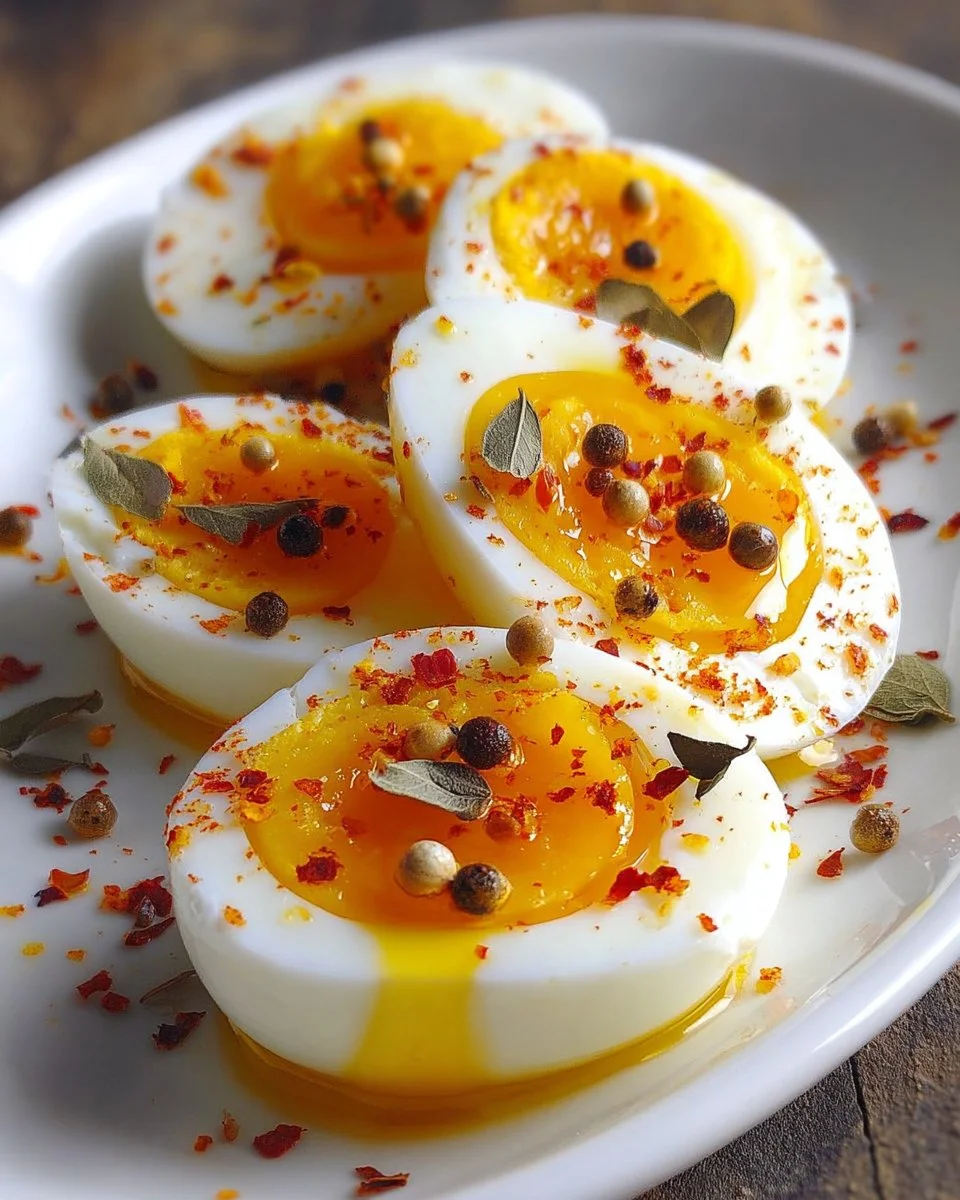
There’s nothing quite like the delight of cracking open a jar of classic pickled eggs, the tangy aroma wafting up to greet you with the promise of bold flavors. As you twist off that cap and delve into the colorful brine, the sight of those gem-like yolks nestled inside their vibrant, seasoned coating reminds you of the joy that only a well-crafted recipe can bring. With their firm yet tender egg whites and delightfully zesty essence, these pickled gems transform ordinary hard-boiled eggs into an extraordinary culinary experience. Every bite delivers a burst of flavor that dances on your palate, leaving you craving just one more taste.
Imagine serving these tangy creations as a star-studded highlight at your next gathering. Their vibrant hues catch the eye, while the first bite offers a harmonic blend of sweetness, acidity, and hints of spice that ignite a symphony of flavor. Each egg, encased in tangy brine, stands as a testament to simple ingredients treated with care. Whether you savor them as a snack, incorporate them into salads, or enjoy them as an intriguing addition to charcuterie boards, classic pickled eggs promise to elevate any occasion.
Why You’ll Love This Classic Pickled Eggs
Classic pickled eggs are more than mere appetizers; they serve as little flavor bombs that contribute to a variety of meals. Their impressive shelf life means you can make them ahead and always have a gourmet snack on hand. Imagine enjoying one of these zesty morsels on a lazy Sunday morning, sliced atop a toasted bagel, the rich creaminess bursting through the tangy brine. These eggs bring balance to rich dishes, adding a refreshing pop of flavor that cuts through the heaviness.
You’ll also appreciate how these pickled wonders become even tastier as they age in the brine. With every passing day, their flavor deepens, encouraging you to experiment with your favorite spices and aromatics. Whether you host a summer gathering or celebrate a cozy winter night, classic pickled eggs serve as versatile treats that cater to all tastes and occasions. They are not just food; they are stories waiting to be shared and enjoyed.
Preparation Phase & Tools to Use
Before diving into this exciting culinary adventure, gather your essential tools. Having the right equipment makes the process smooth and enjoyable:
- Medium Saucepan: This is where your brine comes to life, melding together all the spices and flavors that will blanket your eggs.
- Clean Glass Jar: Understanding the importance of cleanliness in preserving is essential. A tightly sealed glass jar offers a safe space for your eggs to soak up that delicious brine.
- Slotted Spoon: This handy tool helps you peel those delicate eggs with ease, ensuring every bit of the smooth white is retained.
To make your preparation phase seamless, consider these tips:
- Choose fresh, high-quality eggs, as their flavor and texture significantly impact the final product.
- Allow time for your eggs to cool in ice water after boiling, making peeling much easier and preventing those annoying cracks.
Ingredients for Classic Pickled Eggs
To whip up your own set of classic pickled eggs, gather the following:
- 6 Hard-Boiled Eggs: Ensure they are perfectly cooked, with no green rings around the yolk.
- 1 Cup Vinegar: Use white or apple cider vinegar for a bright tang.
- 1 Cup Water: Balances the vinegar and creates a perfect brine.
- 1 Tablespoon Salt: Enhances the flavors and makes the brine bracingly delicious.
- 1 Tablespoon Sugar: Adds just a hint of sweetness to counter the tangy vinegar.
- 1 Teaspoon Mustard Seeds: Introduces a subtle nutty flavor.
- 1 Teaspoon Black Peppercorns: Adds complexity with its aromatic notes.
- 1 Bay Leaf: Provides an earthy undertone that infuses the brine.
- 1 Garlic Clove (Optional): For those who crave a bit of savory intensity.
- Red Pepper Flakes (Optional, to taste): Spice up your eggs for a little kick.
Choose substitutions based on your taste preferences, such as experimenting with different vinegars or omitting garlic if you prefer a smoother flavor profile.
How to Make Classic Pickled Eggs
Creating classic pickled eggs is simple and satisfying. Follow these step-by-step instructions for guaranteed deliciousness:
- Carefully peel the hard-boiled eggs and place them gently in a clean glass jar. Ensure they fit snugly without crowding.
- In a medium saucepan, combine the vinegar, water, salt, sugar, mustard seeds, peppercorns, bay leaf, and garlic (if using). Stir the mixture and bring it to a gentle simmer until the salt and sugar dissolve fully.
- Pour the hot brine over the eggs in the jar, making sure each egg is submerged. This is the moment when they begin their magical transformation!
- Allow the jar to cool to room temperature before sealing it tightly. Refrigerate for at least 48 hours to let the flavors fuse together beautifully.
Chef’s Notes & Helpful Tips
To elevate your pickling experience, consider these helpful tips:
- Make-Ahead Magic: Pickled eggs can last for up to 3-4 weeks in the fridge. Making a batch in advance allows the flavors to deepen.
- Cooking Alternatives: If you wish to experiment, try using an air fryer or oven to hard-boil the eggs for an effortless peeling experience.
- Customization Ideas: Get creative! Incorporate other spices like dill or add sliced beets for a vibrant color makeover.
Common Mistakes to Avoid
While making pickled eggs is straightforward, a few mistakes can trip you up:
- Using Non-Clean Equipment: Always ensure your jar is sterilized; contamination can spoil your eggs quickly.
- Skipping Cooling Time: Pouring hot brine directly onto eggs can create temperatures that affect the egg whites. Allow the brine to cool slightly, ensuring a balance that preserves texture.
- Rushing the Flavors: Give the eggs enough time in the brine—48 hours is the minimum. Rushing this step will leave you with bland flavors.
What to Serve With Classic Pickled Eggs
The versatility of classic pickled eggs makes them a delightful addition to many meals. Consider pairing them with:
- Salads: Toss them into green salads for a tasty protein punch, adding creaminess alongside fresh greens.
- Sandwiches: Sliced pickled eggs enhance the flavor of sandwiches—try them on a good ol’ deviled egg sandwich or in a classic egg salad.
- Charcuterie Boards: Their vivid colors stand out against meats and cheese, creating an eye-catching platter.
- Breakfast Burritos: Add pickled eggs to breakfast burritos for an unexpected kick of flavor.
- Deviled Eggs: Use pickled eggs as a unique twist on deviled eggs by incorporating the brine as part of the mix.
- Guacamole: Mound a dollop of guacamole and top it with sliced pickled eggs for a dining surprise.
Storage & Reheating Instructions
Store your pickled eggs in a sealed glass jar in the fridge to keep them fresh. They can last for up to four weeks. If you find yourself with leftovers after a gathering, sigh no more! You’ve made a shelf-stable delight that’s ready to be enjoyed at your leisure.
While reheating isn’t common for pickled eggs, if you choose to experiment, gently warm them in a saucepan with a little brine over low heat. Avoid boiling to preserve egg integrity and texture.
Estimated Nutrition Information
An average classic pickled egg contains approximately:
- Calories: 80
- Protein: 6g
- Fat: 5g
- Carbohydrates: 1g
- Sodium: 200mg
Note: Values depend on specific ingredients and methods used.
FAQs
1. Can I use raw eggs for pickling?
No, it is crucial to use hard-boiled eggs to ensure safety and proper texture.
2. How can I adjust the spice level in pickled eggs?
You control the spiciness! Use fewer or omit red pepper flakes, or introduce different spice combinations to find your perfect flavor.
3. What vinegar is best for pickling eggs?
Both white vinegar and apple cider vinegar provide distinct flavors. Experiment to discover which you prefer!
4. Is there a specific type of jar I should use for pickling?
Mason jars or any clean glass jar with a secure lid work best. Ensure they are sterilized for maximum safety.
5. Can I reuse the brine for another batch of eggs?
You can reuse the brine, but it may lose some flavor integrity. It’s usually best to create a new brine for optimal results.
As you embark on your journey of crafting classic pickled eggs, remember the joy they’ll bring to your gatherings, brunches, and everyday life. The combination of their zesty flavor and versatile culinary uses makes them a cherished addition to any table. Invite this delightful recipe into your kitchen, and soon you’ll discover just how magical a simple egg can be when it meets the tang of pickling. So pull on your apron and get ready to create something truly sensational!
Print
Classic Pickled Eggs
- Prep Time: 15 minutes
- Cook Time: 10 minutes
- Total Time: 25 minutes
- Yield: 4 servings 1x
- Category: Appetizer
- Method: Pickling
- Cuisine: American
- Diet: Vegetarian
Description
Delight in these tangy, flavorful classic pickled eggs, perfect for snacking or as an addition to various dishes.
Ingredients
- 6 Hard-Boiled Eggs
- 1 Cup Vinegar (white or apple cider)
- 1 Cup Water
- 1 Tablespoon Salt
- 1 Tablespoon Sugar
- 1 Teaspoon Mustard Seeds
- 1 Teaspoon Black Peppercorns
- 1 Bay Leaf
- 1 Garlic Clove (optional)
- Red Pepper Flakes (optional, to taste)
Instructions
- Carefully peel the hard-boiled eggs and place them gently in a clean glass jar. Ensure they fit snugly without crowding.
- In a medium saucepan, combine the vinegar, water, salt, sugar, mustard seeds, peppercorns, bay leaf, and garlic (if using). Stir the mixture and bring it to a gentle simmer until the salt and sugar dissolve fully.
- Pour the hot brine over the eggs in the jar, making sure each egg is submerged.
- Allow the jar to cool to room temperature before sealing it tightly. Refrigerate for at least 48 hours to let the flavors fuse together beautifully.
Notes
Pickled eggs last for up to 3-4 weeks in the fridge. Customize flavors by experimenting with spices.
Nutrition
- Serving Size: 1 egg
- Calories: 80
- Sugar: 1g
- Sodium: 200mg
- Fat: 5g
- Saturated Fat: 1g
- Unsaturated Fat: 4g
- Trans Fat: 0g
- Carbohydrates: 1g
- Fiber: 0g
- Protein: 6g
- Cholesterol: 186mg